 Canada (FR)


When employees struggle to find help with their healthcare, the impact reaches far beyond the medical bill. Missed work, delayed treatment and frustration with a complex healthcare system create real strain for employees and for the organizations that support them. HR leaders see this every day. The real question is not whether employees need help, but what kind of support truly improves outcomes.
Many companies still use insurance-based benefits support as their main solution. At the same time, HR teams are turning to personalized healthcare navigation, especially because it works better for larger and more complex organizations.
Healthcare navigation closes the gap between the benefits companies offer and how those benefits are actually experienced when care decisions arise. While both models aim to help employees access care and assistance, they operate very differently.
Two different healthcare support models, one shared goal
Most insurance-based benefits support comes straight from a health plan’s member services. When employees have questions about coverage, claims or finding a doctor, they typically start by calling their insurance company. This feels like the obvious first step for most workers. However, insurance companies will help only with what’s covered under a specific policy. They don’t really look at the full range of benefits or offer help with the more complex situations that arise when employees face major healthcare decisions.
Healthcare navigation is broader, more integrated and more personalized. Navigation guides employees through the year-long healthcare journey. Whether it’s finding a high-quality, in-network provider, understanding a bill, navigating a complex diagnosis or getting a second opinion, the service offers support every step of the way.
Additionally, it works across carriers and plan designs, making it a strong fit for large, diverse workforces.
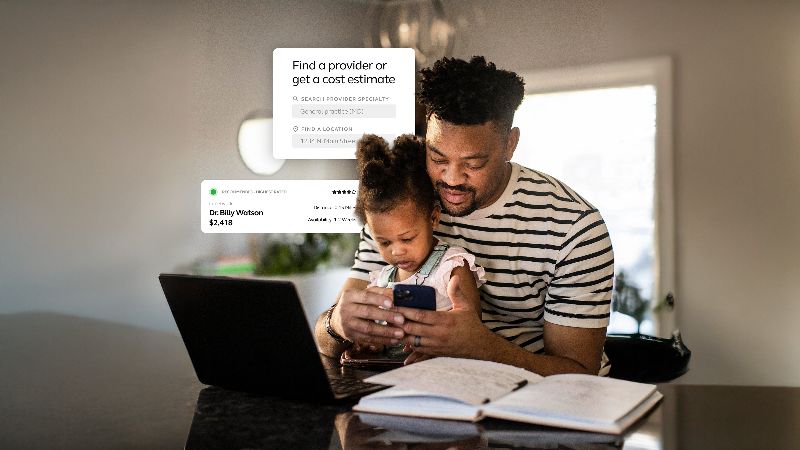
Healthcare Navigation in Action
City of Fort Worth implements Healthcare Navigation in partnership with Alight to boost engagement and outcomes
A closer look at the differences between healthcare support models
Managing benefits across carriers and locations, the gaps between these two models become clear. Here is how they compare:
| Insurance-based benefits support | Personalized healthcare navigation | |
|---|---|---|
|
Complex claims support |
Often handles claim inquiries for a specific provider or plan. Beyond that, it often looks at single claims rather than the full spectrum of healthcare activities. | Supports employees across all carriers and plan types, helping them understand denied claims, billing errors and appeal processes regardless of where care was received. |
Insurance-based support may leave employees confused and frustrated with the experience. Many end up returning to human resources, adding to the internal team's workload.
Personalized healthcare navigation addresses these challenges more holistically by supporting employees across insurance providers and other features of the employee benefits plan. Navigation helps employees understand next steps, pursue appeals and resolve billing issues regardless of where care was received, reducing confusion for employees and relieving pressure on HR teams.
Key areas where navigation delivers added value include:
- Specialty and high-cost care, where employees benefit from access to expert medical opinions and leading specialists, including dedicated cancer guidance
- Behavioral health support that addresses emotional and logistical barriers, not just referral lists
- Consistent support channels, including digital tools and one-on-one guidance from a dedicated health pro
A benefits support decision framework for HR leaders
Every organization has different needs. The better question is: what does your workforce require to get the most from their benefits?
Consider healthcare navigation if:
- Your workforce is large, distributed or spans multiple carriers and plan designs
- Employees regularly face complex care decisions, specialty needs or mental health challenges
- You want a benefits navigation platform that integrates with your existing benefits administration infrastructure
- Reducing total cost of care and improving ROI are measurable goals for your team
- You need data and reporting to understand how your population is engaging with their benefits
Consider insurance-based benefits support if:
- Your workforce is smaller or concentrated with a single carrier and a straightforward plan design
- Employee needs are primarily limited to routine coverage questions and basic claims support
- You are in an earlier stage of building out your benefits strategy and carrier-based support meets current needs
For most enterprise HR teams managing real complexity, healthcare navigation offers the depth, scale and integration that insurance-based support alone has difficulty matching.
How Alight can help
Early decisions about care, providers and plans ripple outward and affect quality, cost and employee wellbeing in lasting ways.
Alight’s healthcare navigation is designed to guide employees through meaningful healthcare decisions, not just answer questions. By combining personalized navigation with benefits administration, Alight helps organizations simplify complexity, support employees with empathy and improve outcomes across health, wealth and wellbeing.
If you are looking for a partner that helps your workforce move from confusion to confidence, Alight is ready to help.

Healthcare Navigation
This way to better health
Now your people can get the right care and clinical guidance from the start while saving money along the way.


