 Canada (FR)



AI is reshaping our world, and with it comes a wave of emotions that is affecting our mental health and how we function at work.
Artificial intelligence is triggering a profound psychological response that goes far beyond simple technological adaptation. Fueled by over-hyped projections of job loss related to the ground-breaking technology, it’s natural to feel anxious about the rapid infiltration of AI into every aspect of our professional lives.
What employees are feeling is more complicated than simple anxiety, however. As the number of people engaging with AI — either by choice or coercion — continues to grow, workers are recognizing its potential to automate tedious, repetitious tasks and make their lives easier, fundamentally changing the way they perform their jobs.
As AI continues to reshape the workplace, employees’ attitudes reflect a mix of optimism and apprehension about its potential impact on their careers. Aware that artificial intelligence isn’t going away, they have accepted that AI will be increasingly interwoven into everything they do — at work and at home. Try as they might to despise this inevitable encroachment, many people are feeling a sense of excitement about exploring the technology and discovering what it can do.
AI apprehension crosses generations
The 2025 Alight Employee Mindset Study reveals a complex narrative of cautious engagement rather than outright rejection. Nearly two in five U.S. workers are experiencing significant anxiety about artificial intelligence. However, contrary to popular belief, AI-anxious workers aren't technological luddites — nor are they aging Boomers or elder Gen Xers, often portrayed as being leery of new technology after watching a lifetime of the “latest and greatest” innovations come and go. Rather, these are nuanced professionals of all ages wrestling with a transformative force that promises both opportunity and potential displacement. Spoiler alert: Younger workers are actually more likely to express AI-related fears than their more seasoned colleagues — with Gen Z emerging as the most apprehensive.
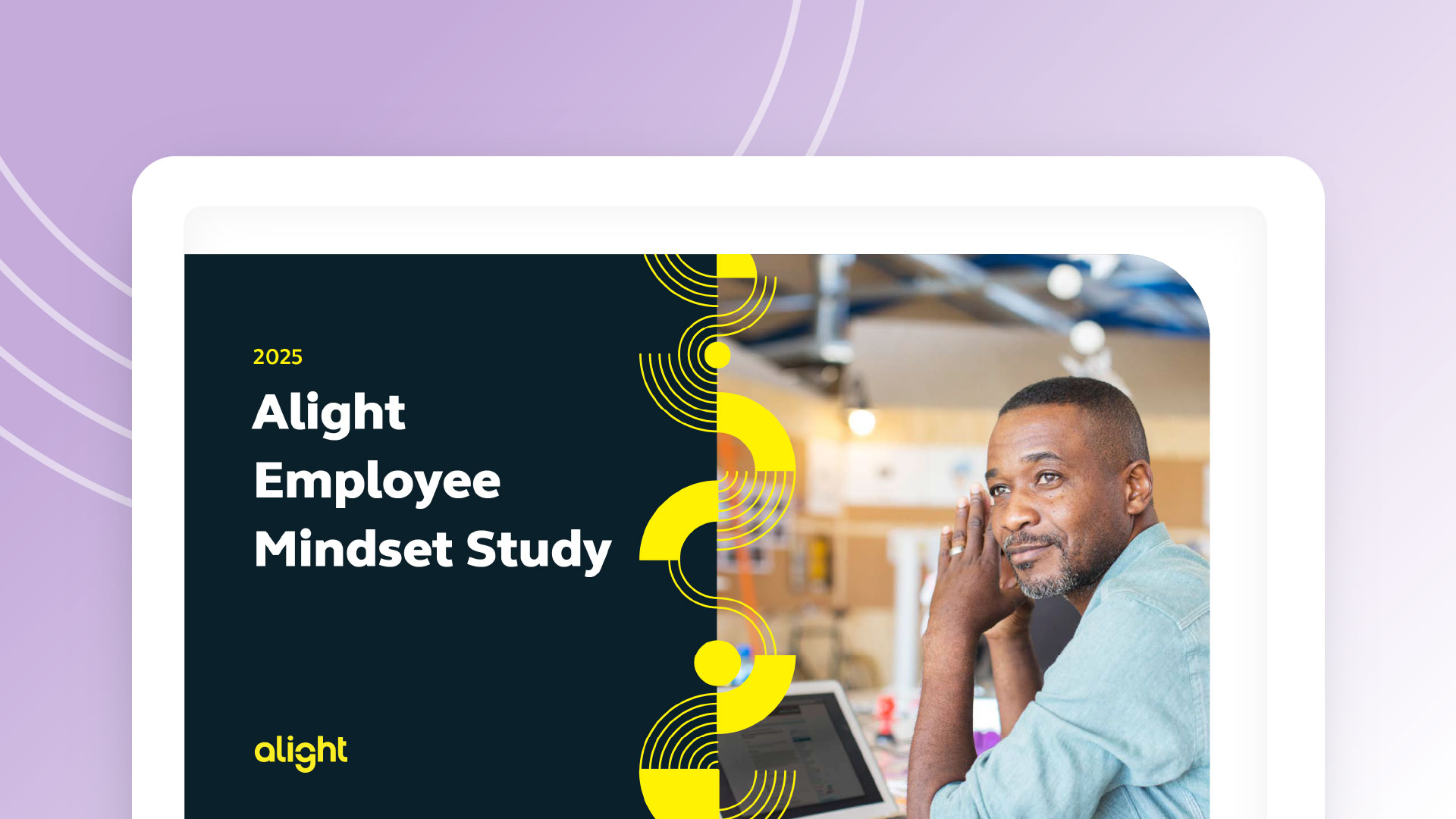
2025 Alight Employee Mindset Study
The 2025 Employee Mindset Study marks Alight’s 15th annual report focused on the U.S. workforce, delving into key areas such as employee wellbeing, workplace culture, benefits engagement, total rewards and technology.
The root of the fear: job security
As an increasing number of workers find themselves expected to use AI in their daily work, job loss anxiety has emerged as a critical emotional driver. While 39% of employees admit that AI scares them, it’s clear they aren't afraid of the technology itself, but rather what it might mean for their professional futures. One-third of Mindset respondents say they fear AI will take away their job, while nearly half (45%) are concerned they will fall behind if they don’t learn how to use it. Yet while workers feel a sense of urgency for learning AI, 44% believe it has a long way to go before it can be useful.
This trepidation translates into a more negative outlook on work. Employees scared by AI are more likely to dread starting their workday (56% vs. 23% of those not scared by AI). These findings suggest that AI-related anxiety can have far-reaching consequences for worker wellbeing and job satisfaction.
AI and mental health: beyond simple fear
The emotional responses to AI are remarkably complex, suggesting that workers are more apprehensive than antagonistic. They recognize AI's potential while simultaneously feeling an impact on their mental wellbeing. Nearly one-third (32%) express concern about what AI will mean in the future, while 28% feel suspicious about the technology’s output. Only 17% feel genuinely curious about the potential of AI.
Despite their fears, the "scared" group shows remarkable consistency with people who don’t share their apprehension about AI in some critical areas. For example, there’s no difference between these groups saying that AI makes their job easier. What’s more, both groups have the same percentage saying that AI is going to fundamentally change work as we know it.
Fear as a catalyst for growth
Employees’ reactions to the AI revolution are inevitable. From anxiety and suspicion to excitement and optimism, how they are feeling is real. They don’t want to be left to their own devices to learn to use AI or deal with the emotions that are accompanying it. Employees are asking to be heard, trained and integrated into the technological transformation.
How employers respond to this complex emotional reaction is crucial. They must acknowledge the mental health impact of AI integration and provide comprehensive AI training and support. Equally important, they must create transparent communication about AI’s role, focusing on augmentation rather than replacement narratives.
AI anxiety isn't a roadblock — it's a signal. Successful organizations will view this fear not as resistance, but as an opportunity for empathetic, strategic workforce development. The future of work isn't about ignoring human mental health in favor of technological progress. It's about understanding and navigating it together.


